Recent developments in the Red Sea maritime corridor continue to impact global shipping patterns, prompting logistics providers and cargo owners to adjust supply chain strategies to maintain reliability and minimize transit risks.
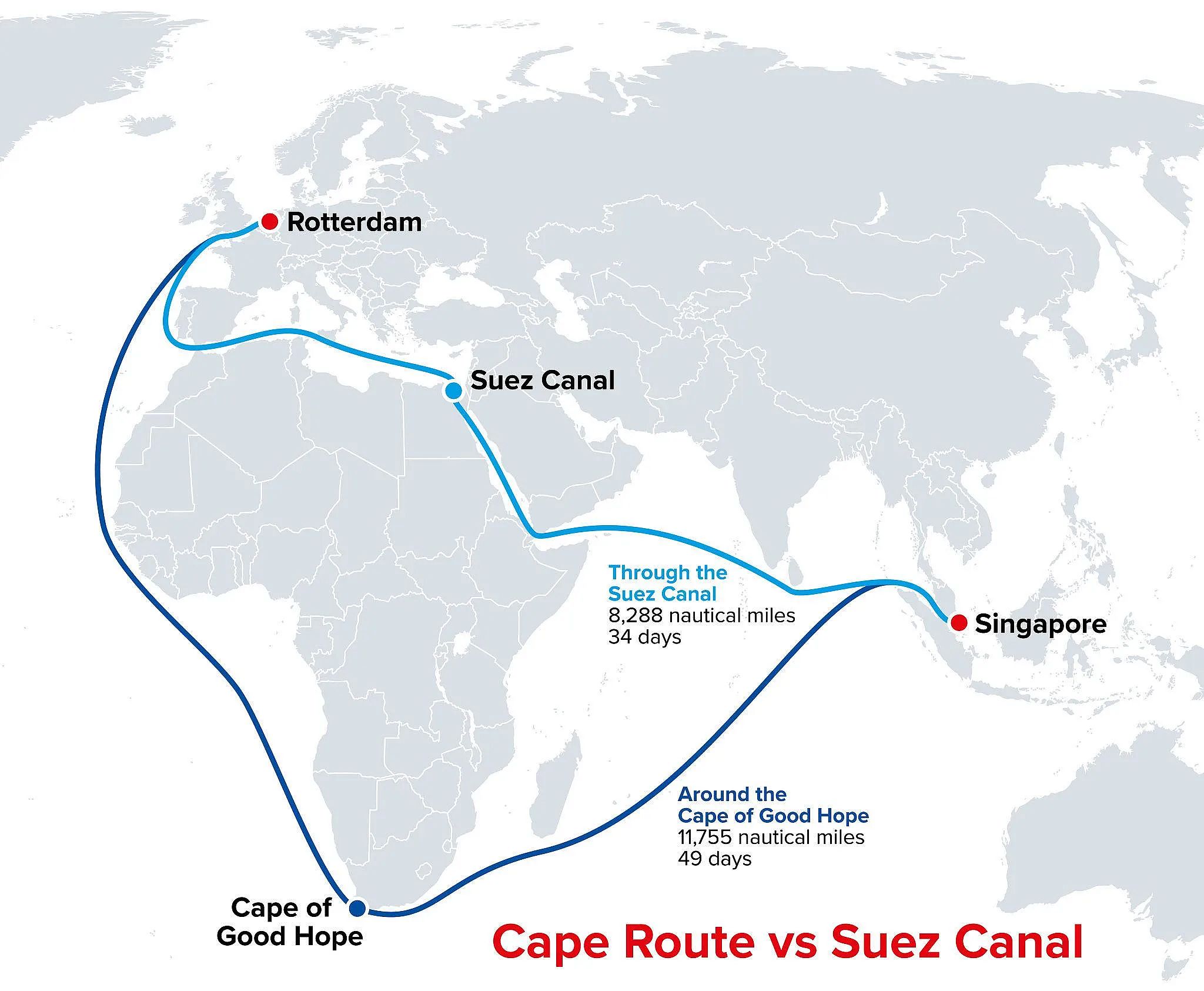
Over the past months, increased security concerns in the Red Sea and surrounding waterways have led many major ocean carriers to temporarily reroute vessels away from the Suez Canal, opting instead for the longer journey around the Cape of Good Hope. While this alternative route maintains cargo flow between Asia, Europe, and the Middle East, it typically adds 10–14 days to transit times and increases fuel and operational costs.
For industries reliant on predictable shipping schedules—including manufacturing, electronics, energy, and retail—the shift has required rapid adjustments in inventory planning and transport strategies. Companies are increasingly turning to multi-modal solutions, diversified routing options, and strategic warehousing to reduce exposure to disruptions.
Logistics providers across the Gulf region have responded by strengthening contingency planning and expanding regional coordination. The situation highlights the growing importance of agile logistics networks and proactive risk management in global trade.
Chainlink Logistics continues to closely monitor maritime developments and carrier advisories to support customers with optimized routing options, updated transit forecasts, and tailored logistics solutions. By leveraging regional expertise and a global partner network, the company remains committed to ensuring cargo moves efficiently despite evolving market conditions.
As global supply chains adapt, collaboration between shippers, carriers, and logistics partners will remain essential to maintaining stability in international trade.