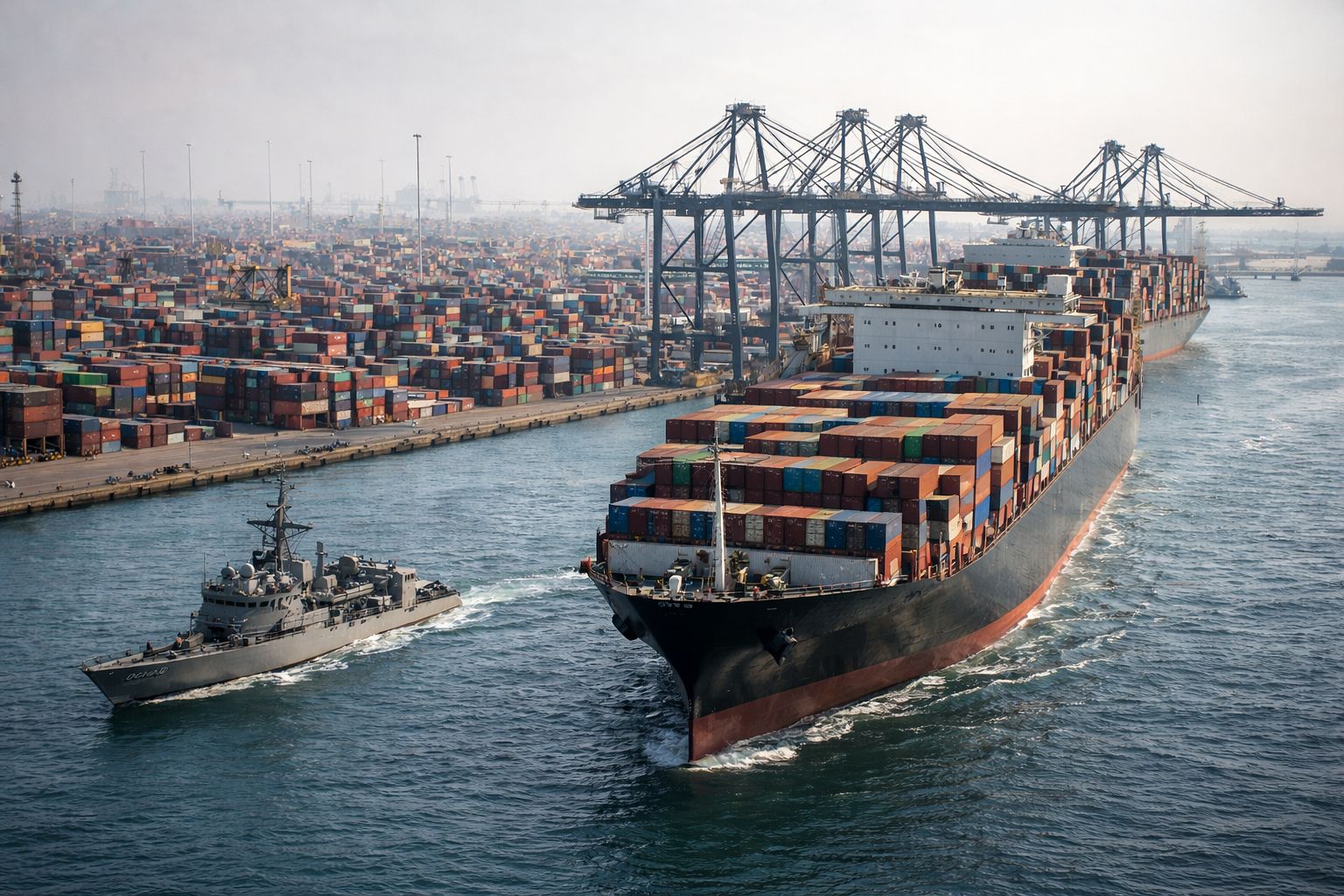
Ongoing geopolitical tensions in the Middle East continue to disrupt global logistics networks, particularly along the Asia–Europe corridor. Reduced air freight capacity and extended ocean transit times have prompted logistics providers to implement alternative solutions, including hybrid “express ocean” services that combine sea and air transport to maintain cargo flow.
As traditional transport modes face constraints, multimodal strategies are becoming increasingly important, allowing forwarders to balance speed, cost, and reliability while navigating a volatile operating environment.
Recent maritime advisories have highlighted elevated security risks across key waterways, including the Strait of Hormuz. Shipping operators have been advised to exercise heightened caution, adhere to strict navigation protocols, and coordinate closely with relevant authorities as conditions evolve.
At the same time, disruptions to maritime traffic have intensified, with a significant number of vessels experiencing delays or restricted movement in the Gulf region. Ongoing security concerns continue to affect vessel routing decisions and operational planning across international shipping networks.
Middle East
Vessel routing patterns continue to shift in response to ongoing security risks, with reduced traffic levels and increased reliance on controlled transit routes. Movements through critical maritime corridors remain limited, reflecting cautious operational approaches adopted by carriers.
Saudi Arabia
Jeddah has emerged as a key alternative gateway for cargo destined for Gulf markets, with supply chains increasingly leveraging Red Sea ports and inland transport corridors. While multimodal solutions are expanding, longer transit distances and infrastructure limitations continue to present operational challenges.
Americas
Operational pressures continue to affect aviation infrastructure, with staffing shortages raising concerns around cargo handling capacity and processing efficiency. Industry stakeholders have highlighted the potential impact on air freight reliability should disruptions persist.
Asia-Pacific
Marine fuel markets are experiencing increased volatility as suppliers adjust to shifting demand patterns and uncertainty linked to Middle East developments. While overall availability remains stable, suppliers are adopting more cautious allocation strategies, particularly as vessels consider alternative routing options.
Europe & Africa
Airspace restrictions and operational disruptions across the Gulf region are influencing global air cargo flows. European hubs such as Istanbul and Frankfurt are expected to absorb diverted traffic; however, capacity constraints at major gateways—including London Heathrow, Paris Charles de Gaulle, and Amsterdam Schiphol—may limit the ability to fully offset disruptions.
United Kingdom
London Heathrow has reported increased cargo throughput, supported by expanded use of passenger aircraft capacity. The airport continues to monitor evolving conditions and assess its ability to accommodate additional demand amid ongoing disruptions.
Chainlink’s Perspective
Chainlink Logistics continues to closely monitor developments and collaborate with its global network to ensure operational continuity.
In response to current conditions, we are:
Implementing flexible multimodal routing solutions
Monitoring capacity and carrier availability in real time
Advising clients on risk mitigation and planning strategies
Supporting alternative gateways and routing options
Outlook
The situation remains dynamic, with ongoing developments expected to influence both regional and global logistics operations. Businesses are encouraged to remain agile, plan for extended lead times, and adopt flexible supply chain strategies.
Chainlink Logistics remains committed to delivering reliable and seamless logistics solutions, ensuring cargo continues to move efficiently despite evolving challenges.
Contact
For shipment-specific support or further information, please contact your Chainlink representative
chainlink@chainlinkcargo.com
info@chainlinkcargo.com