October 11, 2025
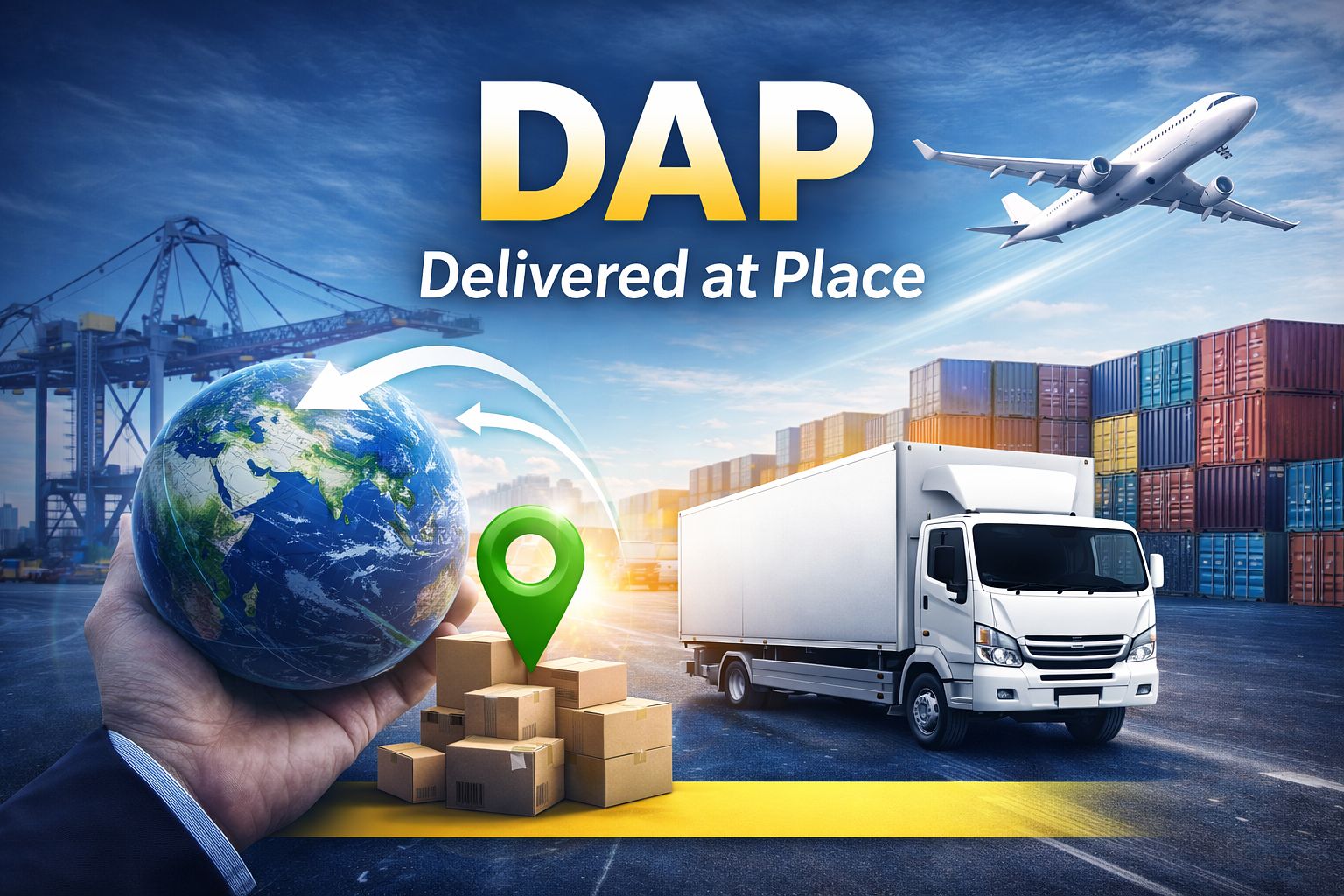
International trade runs on a set of globally recognized rules known as Incoterms, published by the International Chamber of Commerce (ICC). Among them, “Delivered at Place” (DAP) is one of the most frequently used but also one of the most misunderstood.
Under DAP, the seller is responsible for delivering goods to a named destination, covering all transportation costs and risks up to that point. The buyer, however, handles import clearance, customs duties, and taxes once the shipment arrives.
Many businesses confuse DAP with DDP (Delivered Duty Paid), but there’s a key difference: in DDP, the seller also covers customs and taxes, while under DAP, those remain the buyer’s responsibility.
At Chainlink Logistics, we regularly advise clients on the right Incoterm for their shipment based on cost efficiency, control, and legal exposure. Choosing the correct term can prevent serious disputes, hidden charges, and port delays.
For example, exporters shipping to Saudi Arabia or the UAE often prefer DAP when they want to control transport but not get entangled in import procedures. Conversely, importers looking for complete door-to-door service may prefer DDP for convenience.
Understanding and applying the right Incoterm isn’t just about logistics — it’s about protecting your business interests and ensuring seamless international trade.